
Deal with the important defects first
Report-led priorities
We use the classifications to order repairs by risk, not by convenience.
No vague repair list
We connect each proposed task to a specific observation in the EICR.
Checks after correction
Relevant testing confirms how the repaired circuit performs before normal use.
Turn report findings into specific repairs
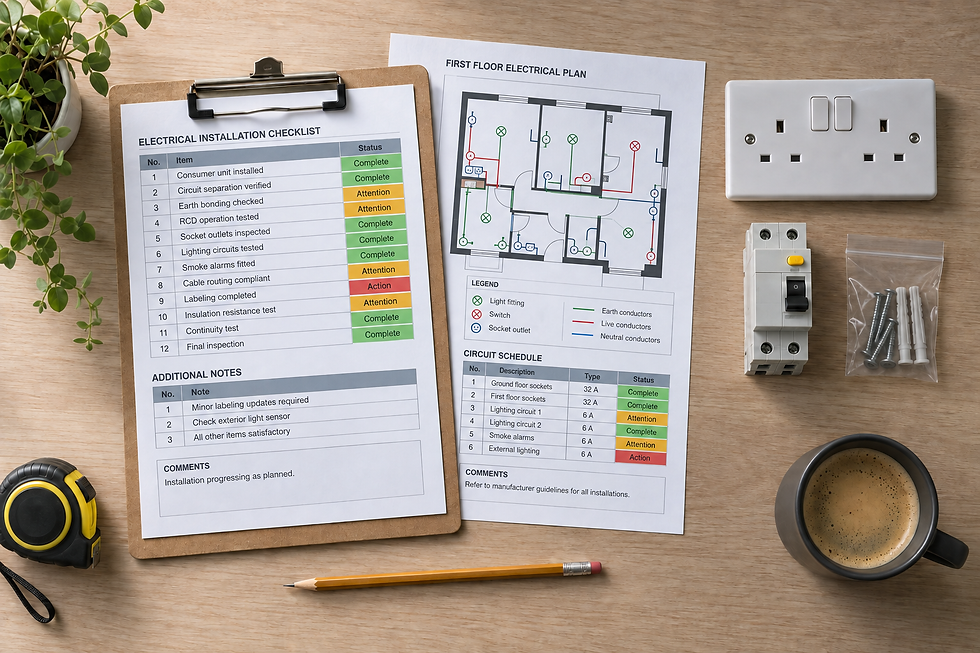
An unsatisfactory EICR is not a useful endpoint. It needs to become a clear repair plan. We review the report, inspect the affected circuits and use the recorded classifications to decide what should happen first. Immediate danger requires urgent action. Potentially dangerous defects also need correction, while an item marked for further investigation must be examined before its true scope is known. EICR remedial work in Grays may involve a damaged accessory, poor connection, inadequate protection or defective circuit component. We explain each item before agreeing the work.
Repair, test and record the result
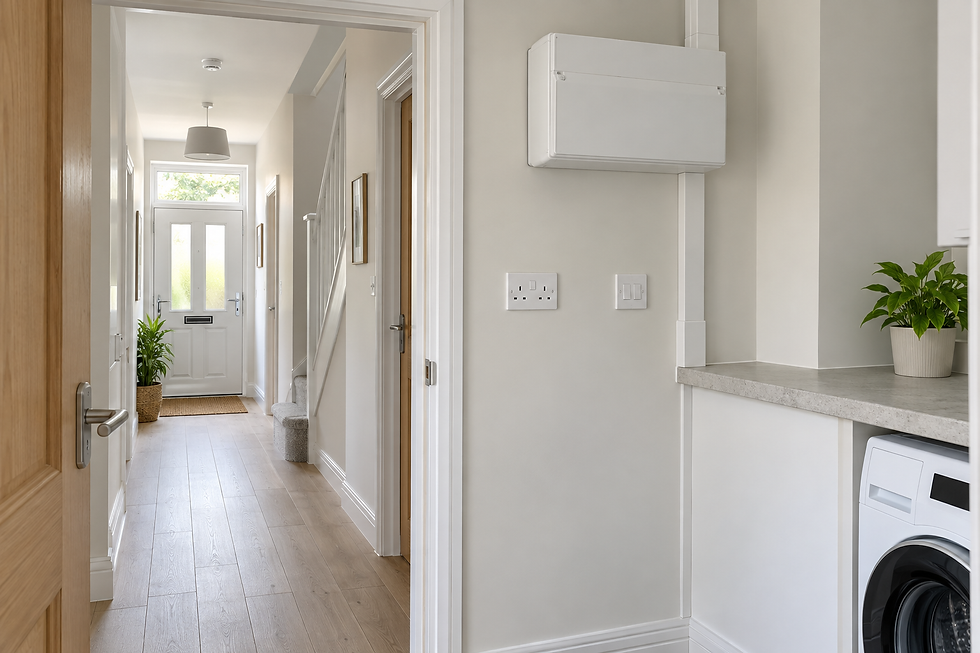
Once the scope is clear, we isolate the relevant circuit and complete the agreed correction. That may mean replacing an unsafe fitting, improving a connection, adding suitable protection or tracing a defect hidden elsewhere in the circuit. We then carry out the relevant testing rather than assuming that a new part has solved the problem. Our Part P registration and NAPIT approval support work guided by electrical standards and wiring regulations. If further defects appear during testing, we show you what has changed and agree how to proceed.
Frequently asked questions
What do C1, C2 and FI codes mean?
C1 indicates danger requiring immediate action. C2 identifies a potentially dangerous issue that needs correction. FI means further investigation is required because the inspector could not establish the full nature or extent of the concern.
Can we use an EICR completed by another inspector?
We can review an existing report and discuss its observations. Before pricing or repairing, we may need to inspect the affected areas and confirm access. Clear report pages, circuit details and any supporting photographs help us assess the likely work.
Will remedial work make the report satisfactory?
That depends on the report findings and the work completed. We test the corrected items and provide relevant records for our work. Any unresolved observation or newly discovered defect must still be addressed before the installation can be treated accordingly.