
Alarms selected for each part of the home
Detector types matched
We consider smoke and heat risks rather than fitting one type everywhere.
Linked warning available
Interconnected alarms can raise the alert across several rooms or floors.
Testing shown at handover
We demonstrate the controls so routine checks are simple to complete.
Get an early warning throughout the home
A smoke alarm only helps if it is the right type, in a useful position and working when needed. We assess the property layout and the risks in different areas before recommending equipment. Options include battery alarms, mains-powered units and interlinked systems. Linked alarms can sound across several parts of a home when one device detects danger, improving the chance that everyone hears the warning. For smoke alarm installation in Grays, we also consider where heat detection may be more suitable than a standard smoke sensor.
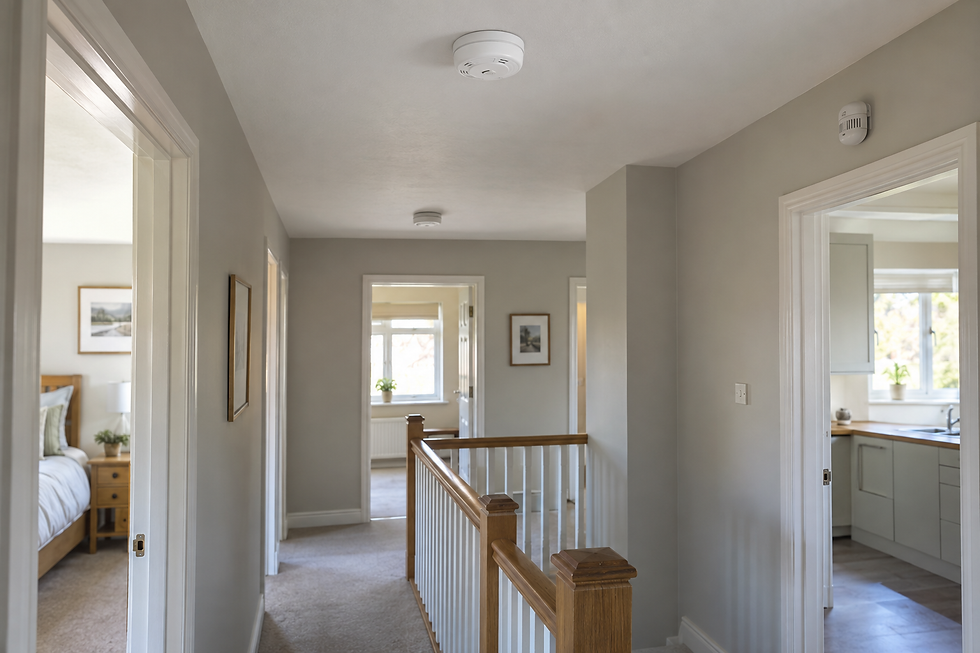
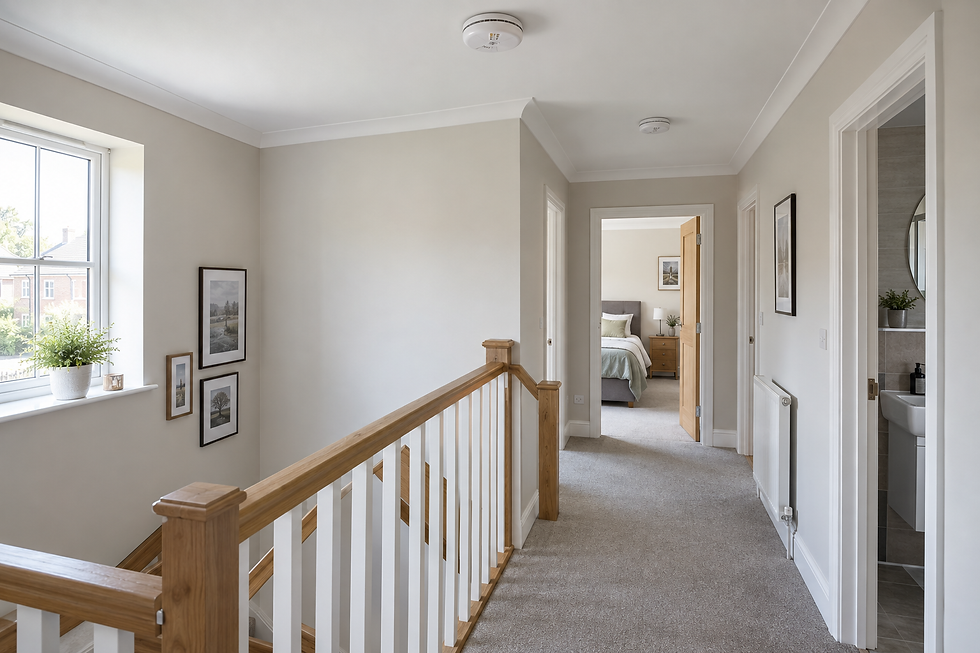
Position alarms for warning, not nuisance
Poor positioning can delay detection or cause repeated nuisance alarms that tempt people to disable the device. We consider ceilings, cooking areas, circulation routes, bedrooms and access for future testing. Mains-powered systems also require a suitable supply and safe cable routes, while linked equipment must communicate as designed. After installation, we test each alarm and show you how to use the test and hush controls. Routine homeowner checks remain important, so we explain the basic testing and maintenance steps for the selected units.
Frequently asked questions
Are mains-powered alarms better than battery alarms?
Each type has suitable uses. Mains alarms have a fixed electrical supply and backup arrangements vary by product. Battery units can suit other situations. We consider the property, desired interlinking and installation requirements.
Why would a heat alarm be used instead of smoke detection?
Heat alarms can suit locations where normal cooking fumes or airborne particles could cause nuisance smoke alarms. The correct detector depends on the room and risk, so we assess placement rather than swapping types without thought.
How often should alarms be tested after installation?
Follow the manufacturer's instructions for routine tests, cleaning and replacement. We demonstrate the test control at handover. If an alarm chirps, fails a test or shows damage, deal with it promptly rather than removing or covering it.